

Montell2099
Process before platform
The name Montell2099 started as a random SoundCloud username. He didn't think too hard about it at the time. But ten years in, he sees it clearly now. Montell is the personal. The connection to craft, to home, to who he actually is. 2099 is the alter ego. The futuristic space where imagination has room to move. One name. Two truths. The tension between them is where the music lives.
That kind of clarity doesn't come from ambition. It comes from place. It comes from growing up on Te Rereatukahia Pā in Katikati, shaped by whānau, by land, by a way of listening that existed long before anyone thought to record it. His taste, his instincts, what he thinks sounds cool, all of it traces back there. It gave him something most people in electronic music don't have. Not a sound. A foundation.
It comes from time. From years of making in the quiet, uploading to no audience, being pulled away from the computer at ungodly hours. From moving to Auckland at 18 and meeting other producers for the first time. From a nan, Mabel Wharekawa-Burt, who showed him that preparation is everything. Leave no stone unturned before you walk out, and you walk out with confidence.
He is, by his own account, shy. Reserved. Someone who keeps his worlds separate. But the music holds what ordinary life can't always contain. Parts of himself that don't show up anywhere else. It always has.
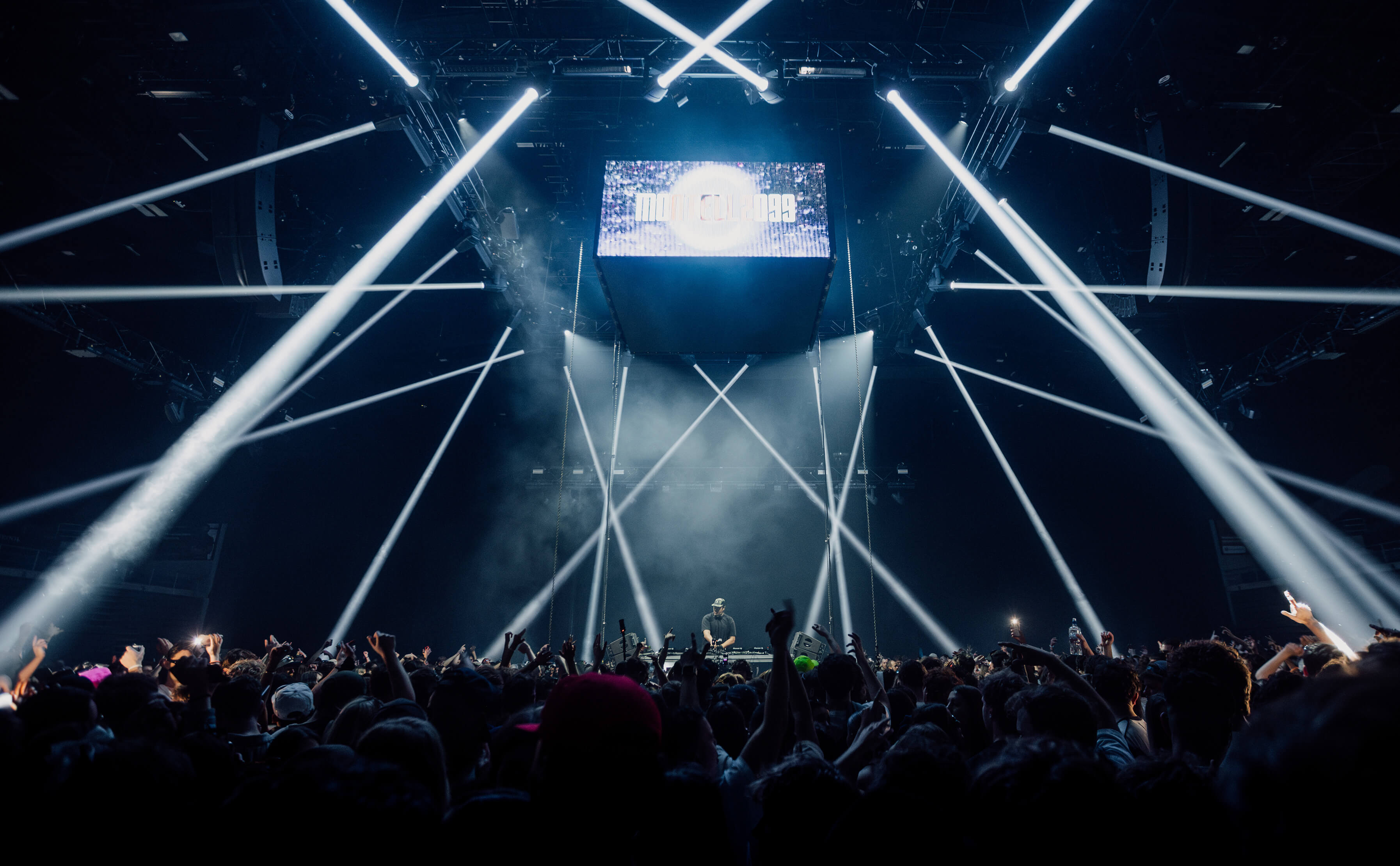
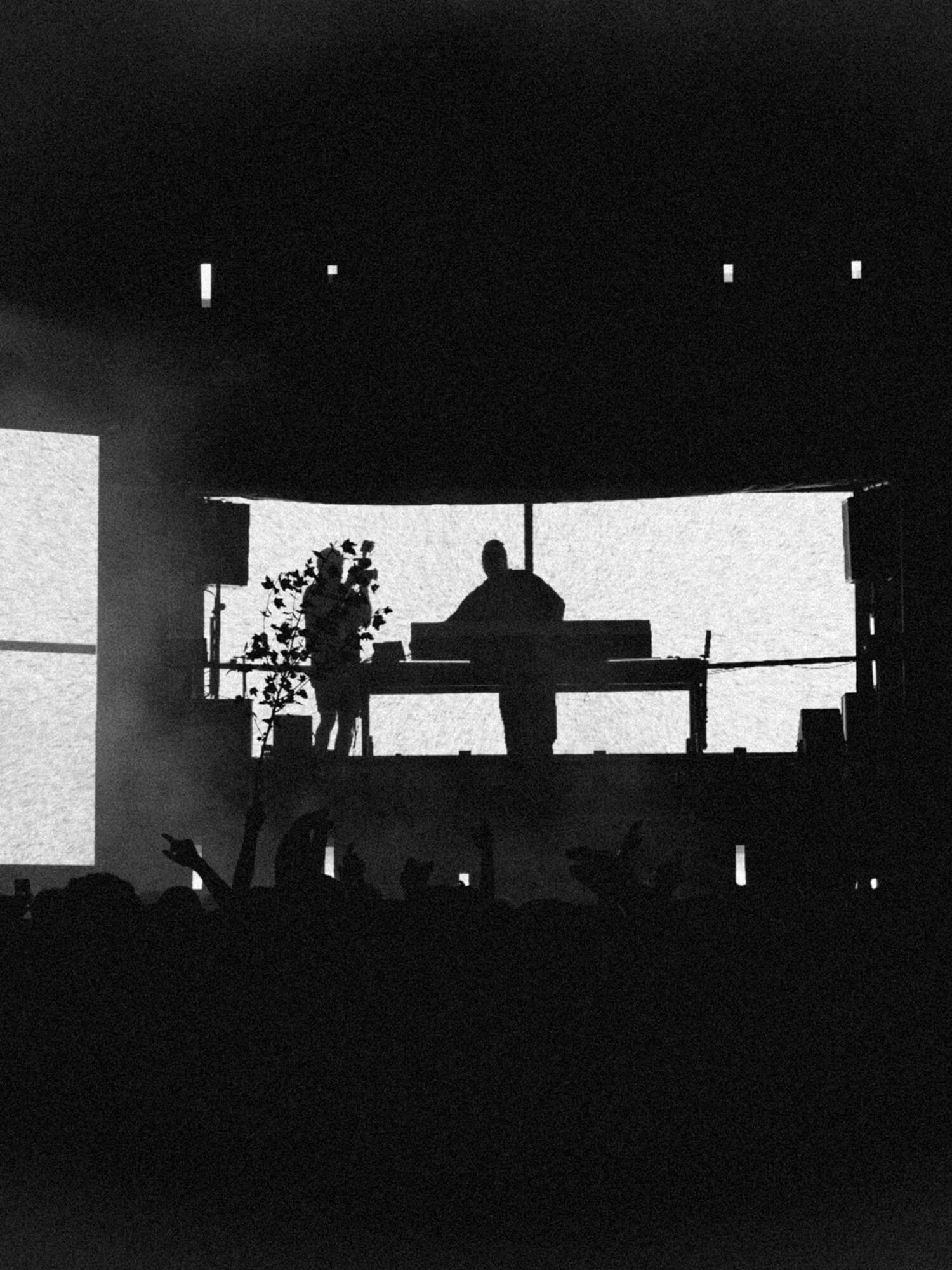
Seven years after those first SoundCloud uploads, he played Tomorrowland. Hundreds of thousands of people. Aotearoa flags at the stage. His kiwi friends beside him. A shy pā kid from Katikati, carrying iwi onto one of the biggest stages in the world. Not as performance. As responsibility. As something lived.
What follows is a conversation with both of them. Montell Pinny and Montell2099. The person and the artist. The pā kid and the one who played Tomorrowland. They are not so different. That's the point.
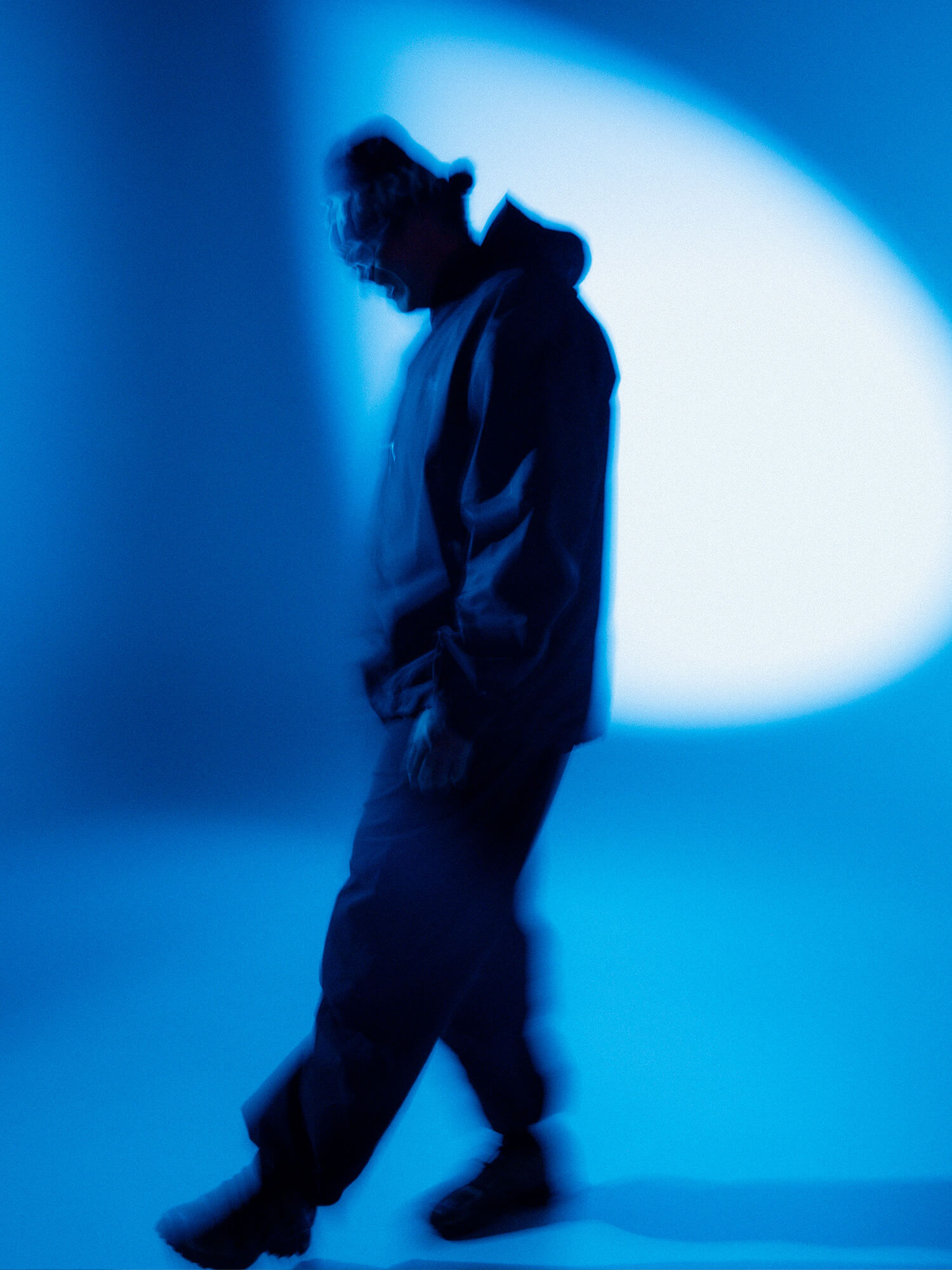
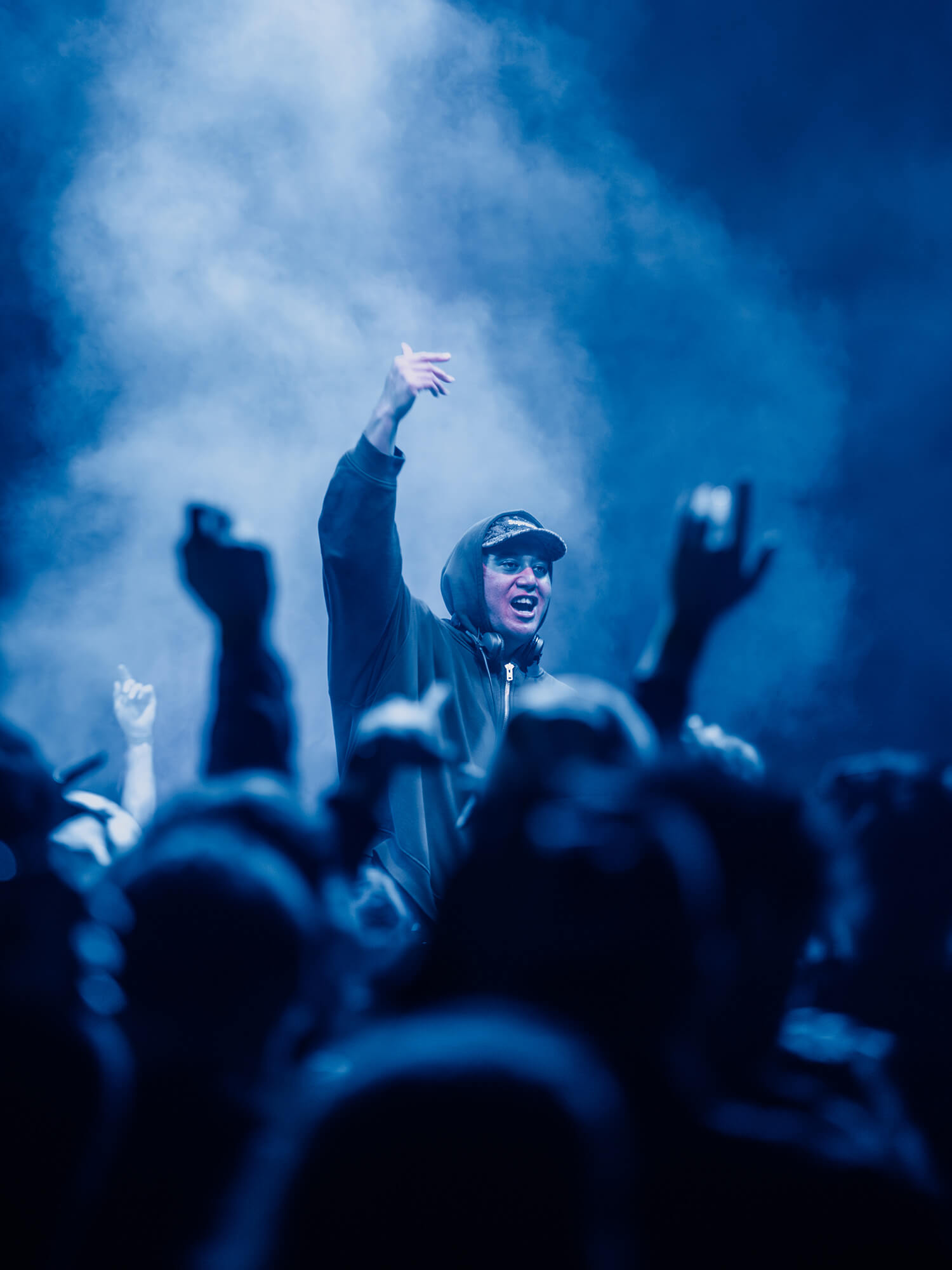
You grew up on Te Rereatukahia Pā in Katikati, what did that environment give you that still shows up in your music today?
Growing up in the Pā had a massive impact on my musicality. The environment and my whanau laid the foundations for me in every way. I think one of the main things that's given me a career in music, especially in electronic music is uniqueness. Growing up in and around the pa gave me a different life experience from a lot of people in the space, and that comes through in my music. My taste, what I think sounds cool, stems from my musical and cultural background.
You’ve said you didn’t dream big growing up, at what point did that shift for you?
I think it was a change in environment and being exposed to more opportunities that shifted me. I moved to Auckland when I was 18 to study music. Moving to a big city and being surrounded by like minded people was inspiring and motivating. Before then I had never met another producer or DJ before, I would show other students the beats I was making and all of them would tell me they were really good. That feedback and validation from my friends was inspiring, and kick started that shift in thinking I could take it seriously.
How has being Māori shaped the way you move through the global music industry?
My background and culture has had a massive impact, the main one being my values, which I feel like just comes out naturally. I just try to carry myself as best I can, the way my family raised me. I'd like to think I've made some good relationships with people from different parts of the world throughout my career, and that stems from my values.
What does it mean to you to represent Ngāti Ranginui and Ngāi Te Rangi on international stages?
It means alot! Getting to represent my iwi wherever I go is always a privilege. It's cool getting to do it in spaces where people might not know about my background or culture, getting to represent that part on the world stage is an honour.
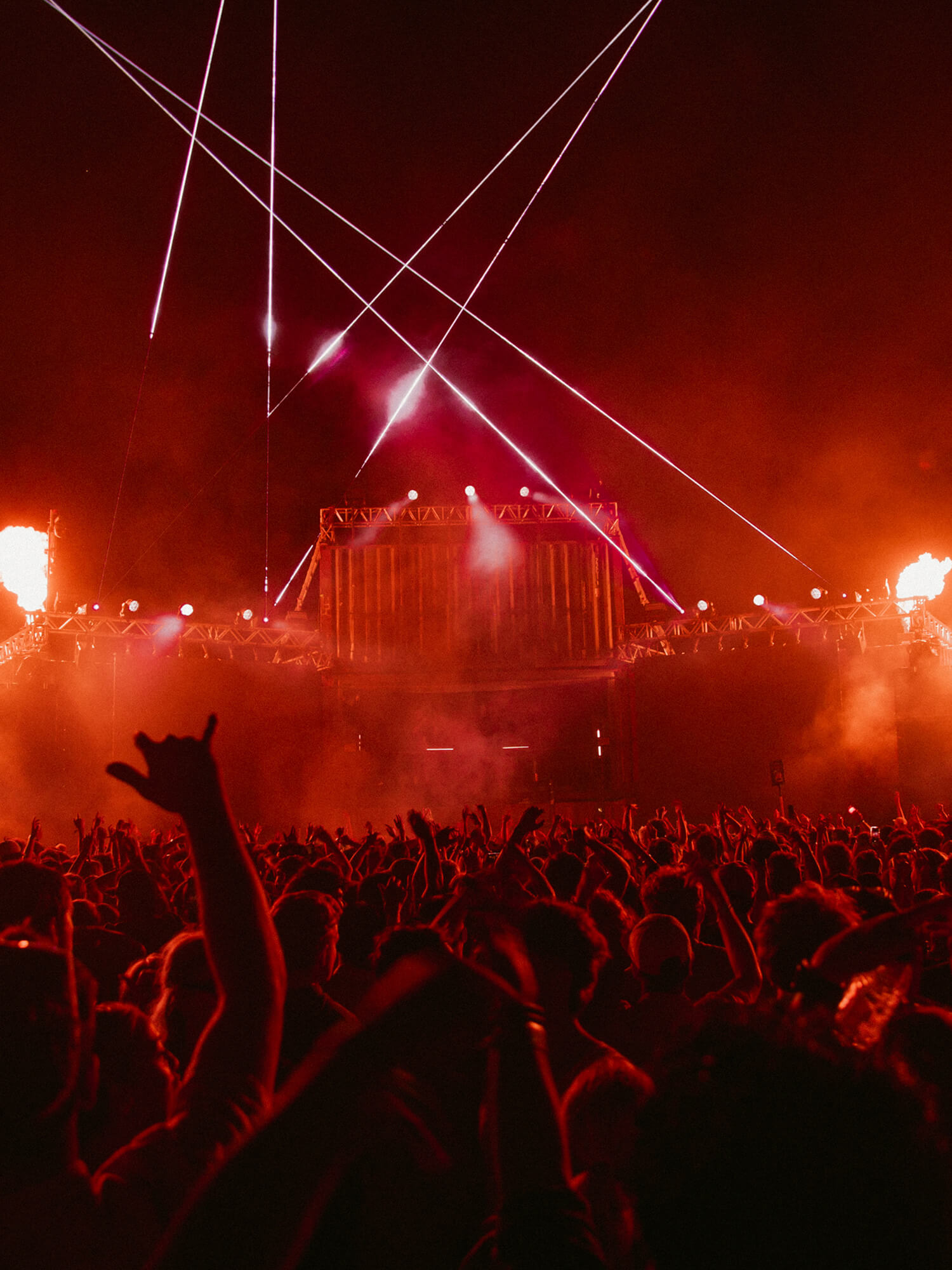
When you’re overseas, what parts of Aotearoa do you carry with you the most?
To be honest I think I just try to be a good representation of my country and my people. I love being from Aotearoa and I'm very proud of our home. So when I travel on foreign soil I carry that representation with pride and as best I can.
Take us back to that moment with FL Studio - what did you feel the first time you realised you could create your own sound?
It was super inspiring. When I first played around with FL Studio, I quickly figured out that this is how music was made, it was really engaging at the time. I became obsessed straight away, and started watching YouTube tutorials on how to make music everyday. You'd have to pull me away from the computer.
You started uploading to SoundCloud in 2015, what kept you consistent in those early days when no one was watching?
My love for making music kept me consistent. I wasn't focused on outcomes early on, I was more focused on the process. I just wanted to get better at making music everyday. Keeping my focus on the process and getting better at it, eventually things started to pick up naturally from the time invested into my craft.
You’ve spoken about your grandmother, Mabel Wharekawa-Burt, being part of your early journey - what did you learn from watching her navigate the world of performance?
My nan is very inspiring to me. Getting to observe her performances over the years was massive. She's a diligent and hard worker when it comes to her craft and one of my biggest learnings from watching her is how she’d prepare before shows. If you prepare right you can go into any performance with confidence because you've left no stone unturned.
How did you go from making music in a spare room to performing at Tomorrowland in front of hundreds of thousands?
It was a long journey to get to that point. Really I had to work for seven years to get my first opportunity to play Tomorrowland but it was a proud moment nonetheless. All I remember is all the Aotearoa flags that were at the stage I was performing on, it felt like I was playing at home. Also getting to be there with my other kiwi friends, Sachi and Savage was awesome too.
Was there a moment where Montell2099 became more than just a name - where it became a persona. What does it mean?
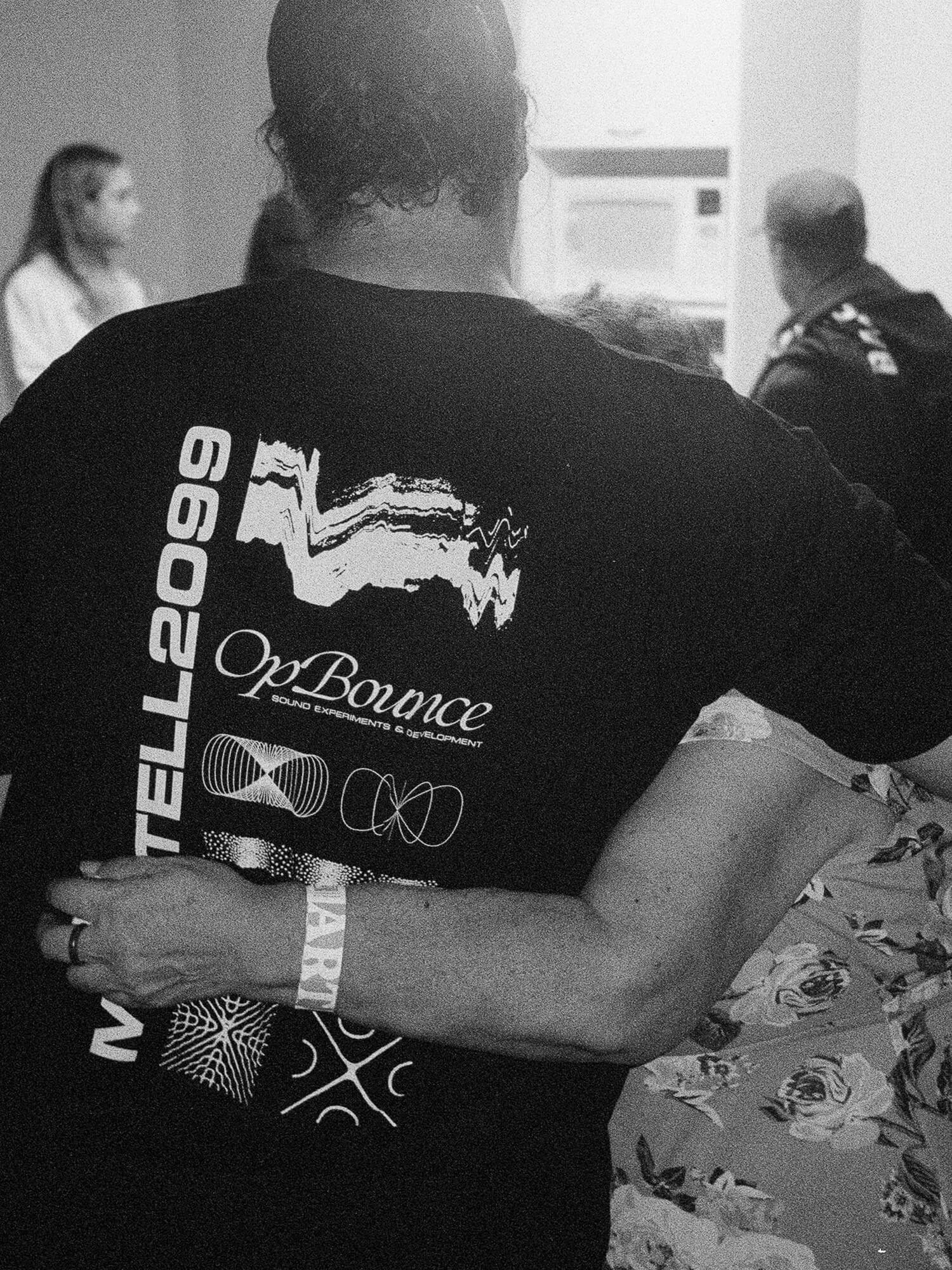
When I originally came up with the name, at the time I never really thought too deep about it. It was just a random Soundcloud username that ended up sticking when people started noticing me. But I love how in hindsight after 10 years, it's actually a perfect reflection of how I view being an artist. Having “Montell” in my artist name makes it personal, it's the connection to my craft, the “2099” is my futuristic alter ego, where I have the freedom to explore, be imaginative and be creative.
Your whānau played a big role early on, how do they influence your mahi now?
My family is always supportive of me. They inspire and encourage me to keep pushing and keep striving to reach my full potential. My grandparents and my mum always ask how things are going, what's on the cards for the year, and how I can grow as a person which is important for having a long and sustainable career. Grateful for them.
DUALITY explores the tension between Montell2099 and Montell Pinny - how do you personally navigate that balance?
I think I've learnt to just embrace it, getting to express myself through music, performing and connecting with other artists and people is pretty cool. But also having my personal life where I get to just be a normal person is just as cool, grateful I get to be both.
What parts of yourself exist only in the music that people might not see day-to-day?
A lot to be honest. I'm quite a shy and reserved person day to day, I always have been (ask my family). I tend to keep my work and personal life separate as that's what feels right to me. But when I do music or perform, a different side of me comes out, I get to express parts of myself that I wouldn't show openly day to day.
How has your sound evolved from your early releases to this album?
It's evolved a lot! My old music was a representation of where I was at in my life at that time, I used to only make music on my headphones, so it sounded different, I had different inspirations and influences back then. Whereas now, my sound is a lot more polished, and intentional. I love that I get to listen back to my old stuff and reflect on the evolution.
When you’re creating, are you thinking about the global audience or something more personal?
It's definitely a mixture of both. I know that I need to play my music live, so that's an element I think about a lot in the creative process. It's also really inspiring when you can pull from more personal sources too, like vocal recordings, voice memos from my phone or ideas that I've written down in my apple notes. Whatever gets the creative juices flowing I'm all for it.
What does “refinement” look like for you after years in the game?
For me refinement is about clarity. Having clarity on what you want to do, where you want to go, and how you want to get there. Then having the trust in yourself that you have the ability, knowledge and experience to get there.
You’ve worked with artists like RL Grime, Netsky, Alison Wonderland, Travis Scott - what have those collaborations taught you?
Being around those artists taught me the professionalism that goes into having a career. Getting to see how they work in the studio, how they prepare for shows and handle themselves when touring was super eye opening for me.
What was it like stepping into spaces alongside artists like 21 Savage or Mura Masa?
It was pretty nerve racking to be honest. I met 21 Savage when I was 19, we had a studio session together in LA. I remember he pulled up to the studio in a red Ferrari and with two Escalades filled with his entourage, I was this super shy Pa kid and didn't say much, but once we got in the studio and I showed him my beats he and his team were gassed and we made a full song in that session. It was a really cool experience and it taught me a lot in terms of working with big name artists.
You’ve remixed names like Lorde, Charli XCX, and Diplo - how do you approach reinterpreting someone else’s work?
I just try my best to embrace my own production and taste. When an artist asks you to do a remix, they don't just want to hear another version of their own song, they want to hear your flair on it. They pick remixers for a reason, and it's normally to hear the remixers' sound, so whenever I get the opportunity I embrace that.
Being the first New Zealand artist booked for Tomorrowland is huge, what did that moment mean to you?
It's pretty cool! I'm grateful I got the opportunity and hopefully there will be many more Kiwi artists on those stages in the coming years.
From Katikati to the world - how do you define success now?
From the very start, my definition of success was always to do music full time, getting to live off something you love is a privilege and always try to keep that perspective. As long as I'm enjoying it, and getting to live off it, that to me is success.
ADM Photography | Jared Tinetti | Tom Grut